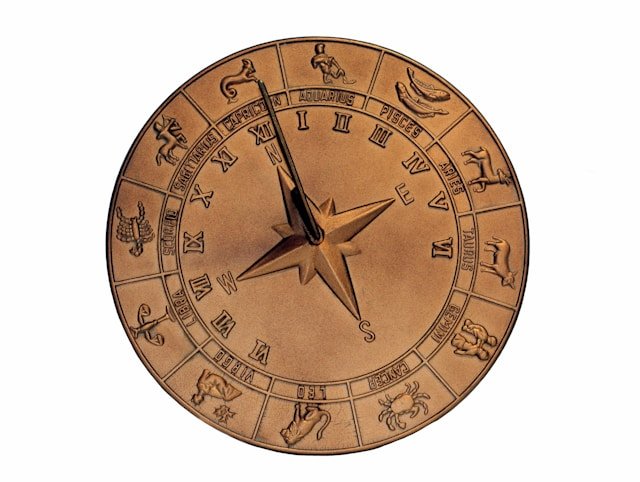
For thousands of years, Vedic Astrology—known in Sanskrit as Jyotish (meaning "the science of light")—has been a guiding light for those seeking clarity, purpose, and alignment with the cosmos. But what exactly is Vedic astrology, and how can it help you navigate your life's journey?
Table of Contents
- 1. What is Vedic Astrology?
- 2. Vedic vs. Western Astrology: What's the Difference?
- 3. The Birth Chart: Your Cosmic Blueprint
- 4. The Houses: Areas of Life
- 5. The Signs: Your Core Nature
- 6. The Planets: Cosmic Influences
- 7. The Dashas: Timing and Life Cycles
- 8. How Vedic Astrology Can Guide Your Life
- 9. Who Can Benefit from a Vedic Astrology Reading?
- 10. What to Expect in a Vedic Astrology Session
- 11. Conclusion
1. What is Vedic Astrology?
Vedic Astrology, also known as Jyotish, is an ancient system of astrology that originated in India over 5,000 years ago. It is one of the six Vedangas (auxiliary disciplines) of the Vedas—the sacred scriptures of ancient India.
Unlike Western astrology, which focuses on the psychological aspects of personality, Vedic astrology is deeply spiritual and practical. It views the planets and stars not as causes of events but as indicators—divine signals that reveal the flow of karma and the soul's journey.
Vedic astrology is based on the belief that the positions of the planets at the exact moment of your birth reflect the karmic blueprint you came into this life with. By understanding this blueprint, you can:
- Gain clarity on your life purpose
- Understand your strengths, challenges, and patterns
- Identify auspicious timing for major life decisions
- Navigate life's transitions with greater wisdom
- Align with your soul's path and potential
2. Vedic vs. Western Astrology: What's the Difference?
While both systems use the same planets and zodiac signs, there are several key differences:
| Aspect | Vedic Astrology (Jyotish) | Western Astrology |
|---|---|---|
| Zodiac System | Sidereal (based on fixed stars) | Tropical (based on seasons) |
| Focus | Spiritual, karmic, practical | Psychological, personality |
| Purpose | To understand dharma and karma | To understand personality and behavior |
| Timing | Dasha systems for predictive timing | Transits for predictive timing |
| Remedies | Mantras, rituals, gemstones, charity | Psychological counseling, self-awareness |
One of the most important differences is the zodiac system. Vedic astrology uses the sidereal zodiac, which aligns with the actual positions of the stars, while Western astrology uses the tropical zodiac based on the seasons. This means your Sun sign in Vedic astrology is often one sign earlier than your Western Sun sign.
3. The Birth Chart: Your Cosmic Blueprint
The birth chart—also called the Janam Kundali—is a map of the sky at the exact moment and place of your birth. It is divided into 12 houses, each representing a different area of life.
Your birth chart is like a blueprint of your soul's journey. It reveals:
- Your natural strengths and gifts
- Your challenges and growth areas
- Your relationships and soul connections
- Your career and life purpose
- Your health and well-being
- The timing of major life events
A skilled Vedic astrologer can read your chart like a map, helping you navigate the terrain of your life with clarity and confidence.
4. The Houses: Areas of Life
The birth chart is divided into 12 houses, each representing a specific area of life:
- 1st House: Self, personality, appearance
- 2nd House: Finances, family, speech
- 3rd House: Communication, siblings, courage
- 4th House: Home, mother, inner peace
- 5th House: Creativity, children, intelligence
- 6th House: Health, service, challenges
- 7th House: Relationships, marriage, partnerships
- 8th House: Transformation, inheritance, mystery
- 9th House: Dharma, higher education, spirituality
- 10th House: Career, reputation, life purpose
- 11th House: Gains, networks, aspirations
- 12th House: Loss, sleep, liberation, foreign lands
The houses show you where in life you will experience certain energies—not just what will happen, but how you will experience it.
5. The Signs: Your Core Nature
The 12 zodiac signs in Vedic astrology reflect the qualities and energies of the planets. Each sign is associated with a ruler (a planet) and an element (Fire, Earth, Air, Water).
Your rising sign (Lagna) is especially important in Vedic astrology—it represents how you present yourself to the world and your life path. Your Moon sign reveals your emotional nature and inner world.
Unlike Western astrology, Vedic astrology places a strong emphasis on the Moon and Lagna (ascendant), rather than the Sun sign alone.
6. The Planets: Cosmic Influences
In Vedic astrology, the planets are called Grahas, meaning "seizers" or "influencers." Each planet governs specific areas of life and has a unique energy:
- Sun (Surya): Soul, vitality, authority, father
- Moon (Chandra): Mind, emotions, mother, intuition
- Mars (Mangal): Energy, courage, action, siblings
- Mercury (Budha): Communication, intellect, business
- Jupiter (Guru): Wisdom, expansion, spirituality, dharma
- Venus (Shukra): Love, beauty, relationships, creativity
- Saturn (Shani): Discipline, karma, responsibility, challenges
- Rahu: Eclipses, obsession, innovation, past life karma
- Ketu: Eclipses, spirituality, detachment, past life gifts
The placement of these planets in your chart reveals how these energies manifest in your life. A powerful planet in a favorable position can bring great blessings, while a difficult placement may indicate challenges to overcome.
"The Vedic astrology consultation helped me understand the timing of my life events and navigate a difficult period with grace. The guidance was both practical and deeply spiritual."
7. The Dashas: Timing and Life Cycles
One of the most powerful features of Vedic astrology is the Dasha system—a method of planetary timing that reveals the cycles and phases of your life.
The most widely used system is the Vimshottari Dasha, which divides your life into periods ruled by different planets. Each planet rules a specific number of years, and the order and length of these periods are determined by the position of the Moon in your birth chart.
The Dasha system helps you understand:
- When major life events are likely to occur
- Which areas of life will be activated at any given time
- How to prepare for upcoming cycles
- How to make the most of favorable periods
By understanding your Dashas, you can navigate life's transitions with greater awareness and intention.
8. How Vedic Astrology Can Guide Your Life
Vedic astrology is not about predicting a fixed fate—it is about illuminating your potential and helping you make aligned choices. Here are some ways it can guide you:
- Career Guidance: Understand your natural strengths and the best timing for career transitions.
- Relationship Insights: Explore compatibility, soul contracts, and the dynamics of your partnerships.
- Life Purpose: Discover your dharma—your unique purpose—and align with it.
- Health and Well-being: Identify potential health challenges and supportive practices.
- Timing Decisions: Know when to take action and when to wait for better timing.
- Spiritual Growth: Understand your spiritual path and the lessons your soul came to learn.
A Vedic astrology reading is not about giving you answers—it is about giving you clarity so you can make empowered decisions.
9. Who Can Benefit from a Vedic Astrology Reading?
A Vedic astrology reading is for anyone who:
- Feels lost or uncertain about their life direction
- Is facing a major life transition—career, relationship, health
- Wants to understand their strengths, challenges, and patterns
- Is seeking clarity on relationships or life purpose
- Is curious about their spiritual path and soul's journey
- Wants to align with cosmic timing for important decisions
You don't need to believe in astrology for it to be useful—many people come to Vedic astrology simply seeking clarity and find it profoundly helpful.
10. What to Expect in a Vedic Astrology Session
A Vedic astrology session is a collaborative exploration of your birth chart. Here's what to expect:
- Preparation: You will be asked to provide your birth date, time, and location.
- Chart Analysis: The astrologer will generate your birth chart and interpret its key features—planets, houses, signs, and dashas.
- Guidance: You will receive insights on your life purpose, relationships, career, timing, and spiritual path.
- Q&A: You are encouraged to ask questions and explore areas of interest.
- Remedies: If appropriate, the astrologer may recommend practices—mantras, rituals, gemstones, or charitable acts—to support your growth.
- Integration: You will leave with a deeper understanding of yourself and practical guidance for your journey.
Sessions are typically 90 minutes and can be done in-person or virtually.
11. Conclusion
Vedic astrology—Jyotish—is a profound tool for self-understanding and alignment with the cosmos. It does not tell you what will happen, but rather illuminates the possibilities available to you. It empowers you to navigate your life with clarity, confidence, and a deeper connection to your soul's purpose.
If you feel drawn to explore what the stars reveal about your journey, I invite you to reach out for a Vedic astrology reading. Together, we will uncover the wisdom written in your chart.